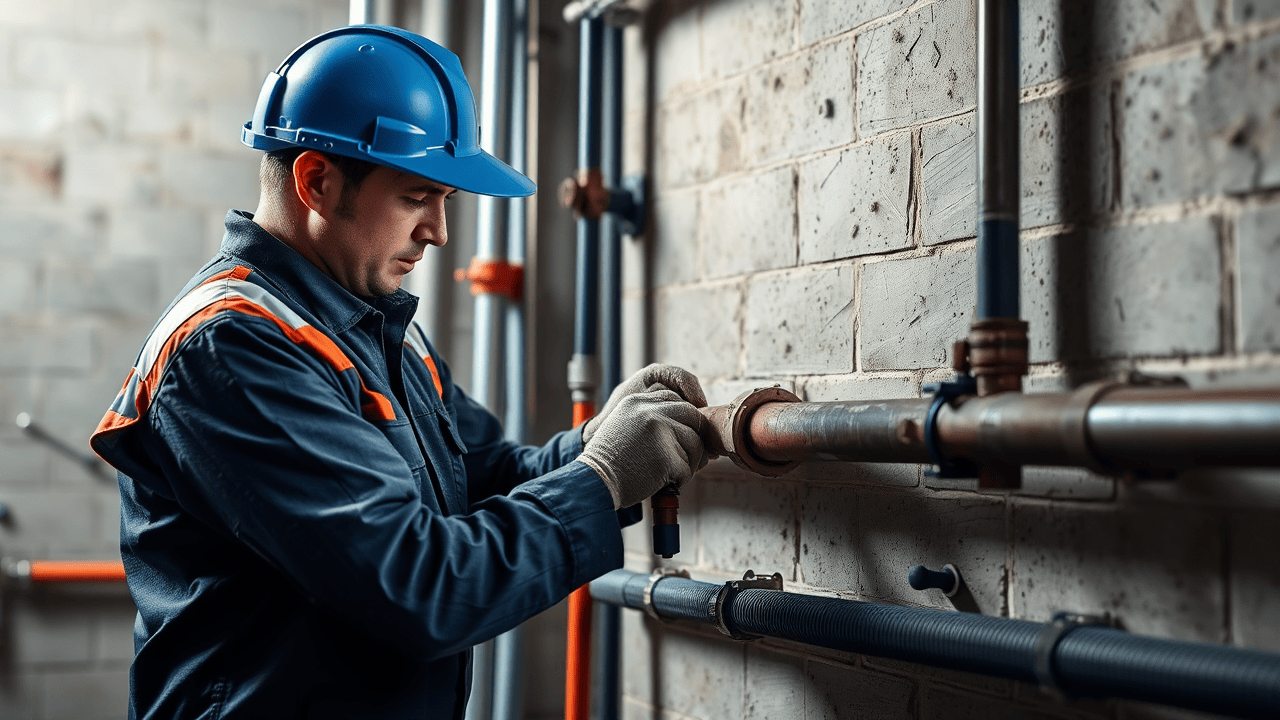
At K B Plumbing, we specialize in comprehensive pipe installation and repair services designed to meet the needs of both residential and commercial clients. Our skilled technicians are equipped with the latest tools and expertise to handle a wide range of plumbing challenges, from installing new pipes for renovations to repairing leaks and damaged lines. We understand the importance of maintaining a reliable plumbing system, which is why we prioritize efficiency and quality in every project. Whether you’re dealing with a minor issue or a major overhaul, you can count on K B Plumbing to deliver prompt, professional service that keeps your plumbing running smoothly.
Importance of Regular Pipe Maintenance
Regular pipe maintenance is essential for ensuring the longevity and reliability of plumbing systems. Neglecting this aspect can lead to leaks, blockages, and costly repairs. By conducting routine inspections and maintenance tasks, property owners can identify potential issues before they escalate into major problems. These proactive measures not only enhance the efficiency of plumbing but also contribute to reducing overall water usage and utility bills.
Furthermore, maintaining pipes helps to avoid unpleasant surprises such as water damage and mold growth. Clean pipes function more effectively and minimize the risk of backups and pressure buildup. Investing time and effort into regular maintenance fosters a healthier living environment and provides peace of mind knowing that the plumbing system is in good condition.
Proactive Care to Prevent Future Problems
Taking a proactive approach to pipe maintenance can save homeowners from expensive repairs down the line. Regular inspections can reveal early signs of wear or potential blockages. By identifying these issues before they escalate, a homeowner can avoid the inconvenience of sudden leaks or pipe bursts. Scheduled check-ups can help ensure that pipes are clean and functioning effectively, reducing the likelihood of unexpected emergencies.
Routine maintenance also includes monitoring water quality and pressure, as fluctuations might indicate underlying problems. Keeping an eye on areas prone to freezing can prevent pipe-related catastrophes during colder months. Ensuring that pipes are insulated and protected from extreme temperatures enhances their longevity. This proactive strategy not only preserves the integrity of the plumbing system but also contributes to overall home efficiency.
Signs You Need to Replace Your Pipes
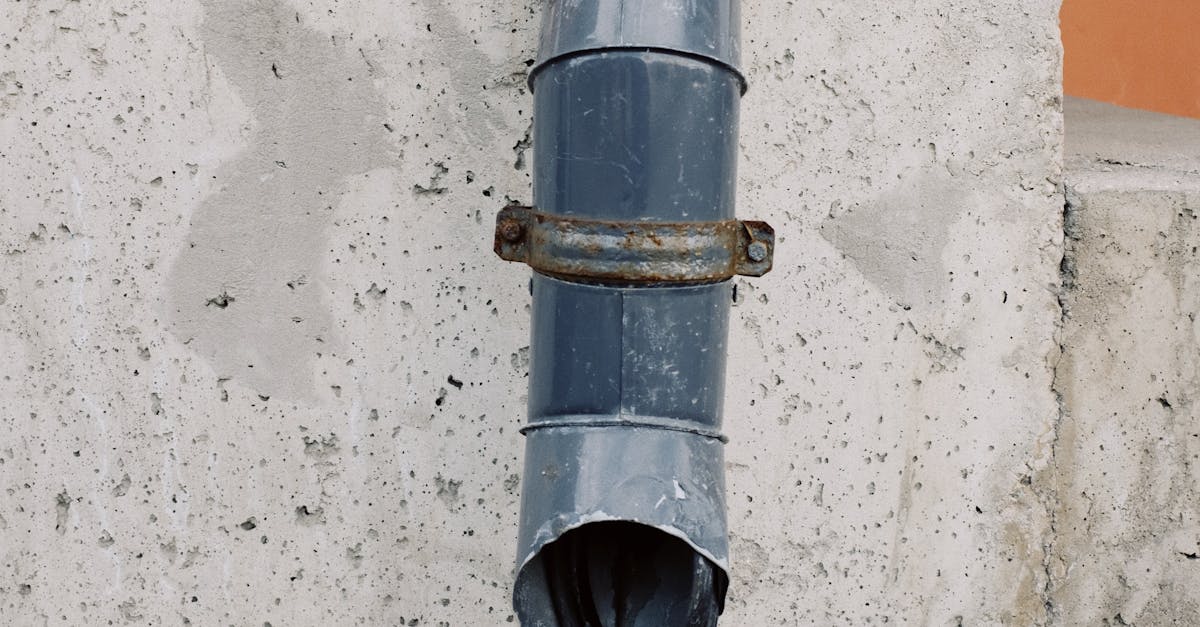
Over time, pipes can develop various issues that indicate the need for replacement. Homeowners should be aware of signs such as frequent leaks, discolored water, or a significant drop in water pressure. If the plumbing system produces unusual noises, such as banging or gurgling, it may signal underlying problems that require urgent attention. Rust or corrosion on exposed pipes can also be a telltale sign, suggesting that deterioration may compromise the system's integrity.
Another indicator that it may be time for a pipe replacement is the presence of mold or mildew in areas close to plumbing fixtures. This often results from leaks that have gone unaddressed. Additionally, if your home’s plumbing is over 50 years old, it's worth considering an inspection as older materials may not be up to current safety standards. A thorough evaluation by a professional plumber can help determine if replacement is necessary to ensure a safe and efficient plumbing system.
Key Indicators of Pipe Wear and Tear
Age and material type are critical factors affecting pipe durability. Older pipes, especially those made of galvanized steel or lead, are more susceptible to corrosion and damage over time. Homeowners should pay attention to frequent leaks or visible rust on their pipes as these can indicate significant wear. Discoloration in water can signal pipe deterioration, especially if it turns a brownish hue, which often hints at iron corrosion.
Unusual sounds coming from pipes can also signal underlying issues. Banging, clanking, or gurgling noises may suggest air in the lines or loose pipe fittings. Increased water bills without a clear reason may indicate leaks hidden from view. Estate environment changes, such as soil shifts or temperature swings, can exacerbate pipe stress, resulting in cracks or breaks. Regular inspections can help identify many of these symptoms early, preventing further damage and costly repairs.
Best Practices for Pipe Insulation
Proper insulation is crucial for ensuring that pipes maintain optimal temperature levels, especially in areas prone to extreme weather conditions. Using materials like foam sleeves, fiberglass, or reflective insulation can significantly reduce heat loss in hot water pipes and prevent freezing in cold water systems. When applying insulation, be sure to cover all exposed sections, including bends and joints, as these areas are particularly vulnerable to temperature changes.
Regular inspection of insulation materials is also essential to maintaining their effectiveness. Look for any signs of wear, moisture, or damage, as these can compromise insulation performance. Replacing old or damaged insulation promptly can help maintain energy efficiency and prolong the life of the plumbing system. Additionally, always ensure that insulation materials are appropriate for the specific pipe materials and surrounding environment.
Techniques to Protect Pipes from Temperature Fluctuations
One effective method for safeguarding pipes against temperature variations is the application of insulation materials. Foam pipe insulation, for example, provides a reliable barrier that reduces heat loss in hot pipes and prevents freezing in cold ones. It is readily available in different sizes and thicknesses to accommodate various pipe diameters. Applying insulation is a straightforward task that many homeowners can undertake, making it an accessible option for enhancing energy efficiency while protecting plumbing systems.
Another strategy involves ensuring that pipes are adequately located within the conditioned space of a home. Keeping plumbing lines within heated areas, such as attics and crawl spaces, minimizes exposure to extreme cold. Adding heating cables to particularly vulnerable sections can offer an extra layer of protection, providing gentle warmth during cold spells. Regularly checking and maintaining proper insulation can also prevent common issues associated with temperature fluctuations, such as leaks and pipe bursts.
FAQS
Why is regular pipe maintenance important?
Regular pipe maintenance is essential to prevent leaks, reduce the risk of water damage, and prolong the lifespan of your plumbing system. It helps identify potential issues before they escalate into costly repairs.
What are some proactive care tips for pipes?
Proactive care includes regular inspections, cleaning out drains, checking for leaks, and ensuring proper insulation. It’s also beneficial to schedule professional maintenance to catch issues early.
How can I tell if my pipes need to be replaced?
Key indicators that your pipes may need replacement include frequent leaks, low water pressure, discoloration of water, and visible corrosion. If you notice any of these signs, it's advisable to contact a professional.
What are the best practices for pipe insulation?
Best practices for pipe insulation include using appropriate insulation materials, ensuring a snug fit around pipes, sealing gaps, and insulating hot and cold pipes separately. This helps protect against temperature fluctuations and energy loss.
How can temperature fluctuations affect my pipes?
Temperature fluctuations can lead to pipe expansion and contraction, increasing the risk of cracks and leaks. Insulating pipes helps maintain a stable temperature, reducing the chances of damage due to extreme weather conditions.