At K B Plumbing, we specialize in comprehensive leak detection and repair services designed to safeguard your home from the detrimental effects of hidden water leaks. Our skilled technicians employ advanced technology and techniques to accurately identify leaks in both visible and concealed plumbing systems, ensuring we catch issues before they escalate. Whether it’s a small drip or a significant leak, we provide prompt and efficient repairs to minimize water damage and enhance your home’s efficiency. Trust K B Plumbing to deliver reliable solutions that not only fix leaks but also protect your property and peace of mind.
Common Areas Where Leaks Occur
Leaky faucets and pipes are a common nuisance in many households. Kitchen and bathroom sinks often see a high level of wear and tear, making them prime locations for leaks. High water pressure can contribute to this issue, leading to drips that can go unnoticed until they cause significant damage. Toilets are another frequent source of leaks, where faulty flappers can lead to water constantly running, wasting resources and increasing water bills.
Another area to watch is the water heater, as aging units may begin to develop leaks at connection points or from corrosion. Additionally, outdoor hose bibs can also become problematic, especially in colder climates where freezing can cause pipes to crack. Identifying these vulnerable spots early can save homeowners from costly repairs and water damage in the long run. Regular maintenance and inspections help ensure that these areas remain leak-free and functioning properly.
Identifying Vulnerable Spots in Your Plumbing
Leaks can occur in various areas of a plumbing system, making it essential to identify vulnerable spots. Common locations include under sinks, around toilets, and behind appliances. Pipe joints are particularly susceptible since they bear the brunt of shifts from water pressure and temperature fluctuations. Additionally, older homes with outdated plumbing may present hidden leaks in walls or floors, which often go unnoticed until significant damage occurs.
Routine inspections can help in pinpointing these weak areas. Homeowners should frequently check visible pipes for signs of corrosion or moisture. Inspecting seals around faucets and fixtures is crucial. Listening for dripping sounds and observing water stains on walls or ceilings can also indicate potential leaks. Addressing these issues early on can prevent more extensive and costly repairs down the line.
The Process of Leak Repair
When a leak is detected, the first step is to assess the situation thoroughly. Professional plumbers typically begin by identifying the source of the leak, which often requires specialized tools and techniques. This may involve using acoustic listening devices, thermal imaging cameras, or even video inspection equipment to locate the exact point of failure in the plumbing system. Once the leak is pinpointed, the plumber can determine the necessary method for repair based on the severity and location of the leak.
Following the assessment, various repair methods may be employed. For smaller leaks, techniques like epoxy resin application or pipe sealing can be effective. In more severe cases, section replacement of pipes might be required. Plumbers usually ensure that the repair site is dry before proceeding. After the repair, rechecking the affected area for any remaining issues helps to ensure that the solution is effective and long-lasting.
Steps Taken by Professional Plumbers
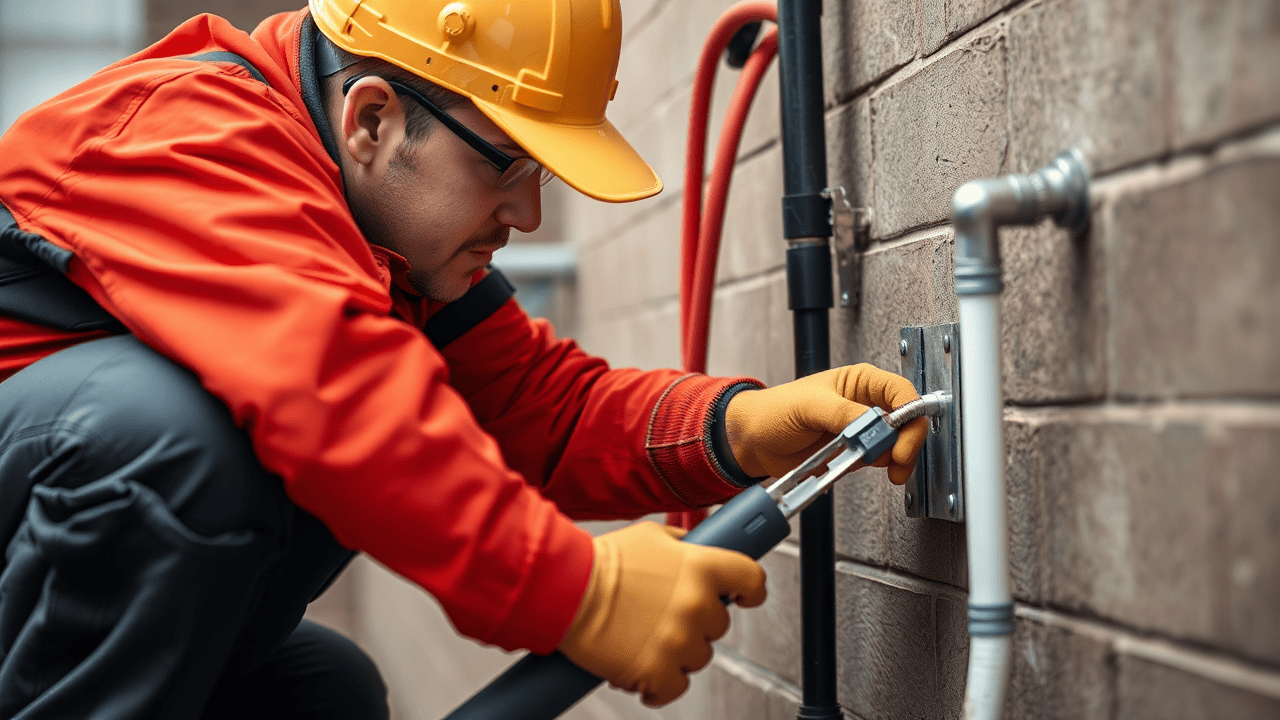
Professional plumbers follow a systematic approach to address leaks effectively. They begin by conducting a thorough inspection of the plumbing system, utilizing specialized tools such as infrared cameras and moisture detectors. This helps pinpoint the source of the leak and assess any potential damage. With the leak identified, plumbers will often outline the necessary repairs to the homeowner, explaining the processes and materials involved.
The next step typically involves isolating the affected area to prevent further water damage. Once secured, plumbers can proceed with the repair, which might include replacing damaged pipes, sealing joints, or using epoxy for small leaks. After completing the repair, they conduct a final check to ensure everything is secure and functioning properly. This comprehensive process not only resolves the immediate issue but also minimizes the risk of future leaks.
Cost Factors in Leak Repair Services
When facing leak repair issues, multiple cost factors come into play that can influence the final bill. The extent of the damage plays a crucial role, as a minor leak may require less time and fewer materials than a major one. Furthermore, the location of the leak can also impact costs; hard-to-reach areas often demand specialized tools and additional labor, driving up expenses.
Labor costs typically comprise a significant portion of the total repair bill. Professional plumbers tend to charge based on their expertise and the time required to complete the job. Additionally, the materials used for repairs, including sealants, replacement pipes, or water damage restoration supplies, contribute to the overall cost. Customers should consider these variables when seeking services, as understanding the underlying factors can help in making informed decisions.
Understanding Pricing Structures
When considering the costs associated with leak repair services, several factors come into play. These include the extent of the damage, the location of the leak, and the complexity of the repairs needed. For instance, minor leaks in easily accessible areas may require less labor and fewer materials, resulting in lower costs. Conversely, leaks hidden within walls or under concrete slabs often necessitate extensive investigation and potentially more expensive repair methods.
Pricing structures may also vary between service providers. While some plumbers charge a flat fee for specific types of repairs, others might base their rates on hourly labor. Homeowners should be aware of potential additional charges for emergency services, travel distances, or the use of specialized equipment. Understanding these variables will aid in making informed decisions when selecting a plumbing service for leak detection and repair.
FAQS
What are the most common areas where leaks occur in a home?
The most common areas for leaks include under sinks, around toilets, in basements, near water heaters, and in exterior walls where pipes may run.
How can I identify vulnerable spots in my plumbing system?
You can identify vulnerable spots by regularly inspecting your plumbing for signs of wear, checking for dampness or mold, and noting any unusual water bills that may indicate a hidden leak.
What is the typical process for repairing a leak?
The typical process for repairing a leak involves identifying the source of the leak, assessing the extent of the damage, and then either sealing or replacing the damaged pipes or fixtures.
What steps do professional plumbers take to repair leaks?
Professional plumbers usually start with a thorough inspection, use specialized tools to locate the leak, determine the best repair method, and then carry out the repair while ensuring the plumbing system is restored to its proper function.
What factors influence the cost of leak repair services?
Cost factors can include the location of the leak, the type of repair needed, labor costs, and any additional damage that may need to be addressed as part of the repair process.