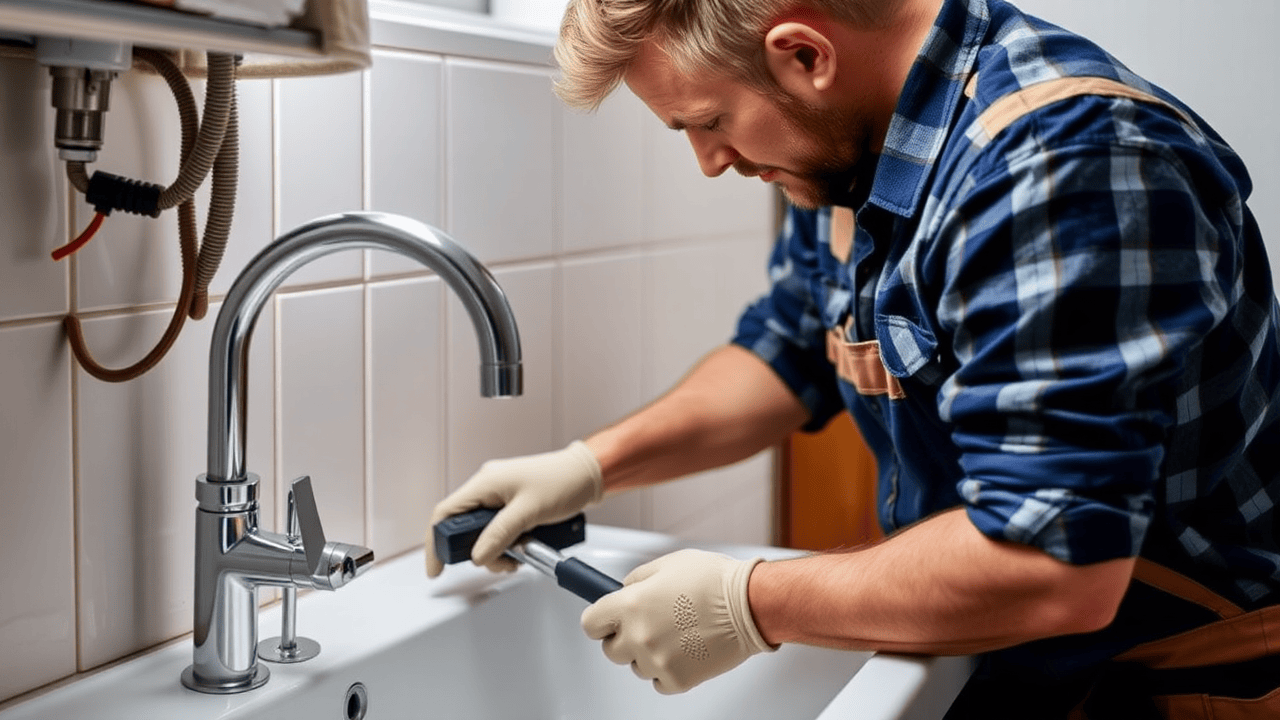
At K B Plumbing, we specialize in professional sink installation and repair services that cater to both residential and commercial needs. Our experienced technicians are equipped to handle a wide variety of sink types, ensuring a proper fit and seamless integration with your existing plumbing system. Whether you're looking to upgrade your kitchen or bathroom with a stylish new sink, or need prompt repairs for a leaking or damaged fixture, we are committed to delivering high-quality workmanship and exceptional customer service. Trust K B Plumbing to enhance your space with reliable solutions that meet your needs and exceed your expectations.
Replacing a Sink
Replacing a sink can be a straightforward task, but certain situations warrant professional assistance. Homeowners may face challenges like improper plumbing connections or complications arising from outdated fixtures. If the current sink is causing persistent issues such as leaks or damage to surrounding areas, enlisting a skilled plumber can save time and prevent potential mishaps during installation.
Signs that it’s time for a new sink include visible wear and tear, such as cracks, rust, or persistent staining that cannot be removed through cleaning. A sink that no longer drains properly can also indicate deeper issues that may require a complete replacement rather than a simple repair. Recognizing these indicators early can help maintain the functionality and aesthetics of your kitchen or bathroom.
Signs It's Time for a New Sink
A sink can be a crucial fixture in your home, and recognizing when it needs replacing can save you from ongoing headaches. One of the most significant indicators is visible damage such as cracks, chips, or rusting. These issues not only impact the sink's aesthetics but also compromise functionality and hygiene. If you notice persistent leaks despite repairs or the drain functions poorly, it may be time to consider a new installation.
Another sign is the age of the sink. Sinks typically last for many years, but older models may lack the quality and efficiency of modern options. If your sink shows signs of excessive wear or doesn't meet your current needs—such as size or style mismatch with your kitchen or bathroom—it could warrant an upgrade. An outdated sink can significantly affect your home's value and appeal, making replacement a worthwhile investment.
Maintaining Your Sink for Longevity
Regular maintenance can significantly extend the lifespan of your sink. Keeping surfaces clean and avoiding harsh chemicals that may cause corrosion or damage is crucial. Each type of material, whether stainless steel, porcelain, or composite, has specific care instructions. Following these guidelines helps prevent wear and tear that can lead to costly repairs or replacements in the future.
Additionally, addressing minor issues as they arise can prevent more serious problems. Routine checks for leaks and ensuring proper drainage can save you from inconvenient clogs or water damage. Investing time in these simple practices not only preserves your sink’s appearance but also its functionality, ensuring it remains an effective part of your home for years to come.
Best Practices for Regular Cleaning
Regular cleaning of your sink not only keeps it looking fresh but also prevents the buildup of grime and bacteria. It's important to use a mild detergent or a mixture of vinegar and water for daily maintenance. Scrubbing with a soft sponge helps eliminate food particles and stains without scratching the sink's surface. Pay attention to areas around the faucet and drain, as these spots tend to accumulate residues that can lead to odors or clogs over time.
Consider implementing a weekly cleaning routine that includes a deep clean of your sink. After removing debris and rinsing, applying a specialized sink cleaner can restore shine and protect the finish. For stainless steel sinks, using a dedicated cleaner helps reduce water spots and prevents corrosion. Lastly, don't forget to wipe down the faucet and handles, as these parts often collect fingerprints and soap scum, ensuring your entire sink area remains hygienic and visually appealing.
Troubleshooting Clogged Sinks
Clogged sinks can be a frustrating issue that many homeowners encounter. Before calling a professional plumber, there are several troubleshooting steps to consider. First, check for visible blockages by removing the sink stopper or strainer. This can often reveal hair, soap scum, or food particles that may be causing the obstruction. A simple removal and cleaning of these components can sometimes be enough to restore proper drainage.
If visible blockages are not the issue, a plunger may be an effective tool to dislodge stubborn clogs. Applying steady pressure can help create suction and push the blockage through the pipes. For more persistent clogs, consider using a plumbing snake. This tool can reach deeper into the pipes and remove build-up that may not be accessible through the sink opening. Remember to avoid using chemical drain cleaners, as they can damage pipes over time and may pose safety risks.
Effective Methods for Clearing Blockages
A common approach to clearing blockages is using a plunger. This method relies on creating a vacuum seal that can dislodge clogs by applying pressure. Position the plunger over the sink drain, ensuring it is completely submerged. With a firm grip, push down and pull up repeatedly for several seconds. If done correctly, you may hear a gurgling sound indicating the blockage has been broken free.
If plunging does not resolve the issue, consider using a drain snake. This tool consists of a flexible metal wire that can reach deeper into pipes, hooking onto the obstructing material. Insert the snake into the drain and twist it to navigate bends in the pipe. Pull back slowly while retaining tension to bring debris out. Make sure to dispose of any collected material properly to prevent further clogs.
FAQS
When should I consider replacing my sink?
You should consider replacing your sink if you notice signs of significant damage, such as cracks, rust, or leaks, or if it has become outdated and no longer fits your kitchen or bathroom aesthetic.
What are some common signs that it's time to replace my sink?
Common signs include persistent leaks, water damage around the sink area, difficulty in maintaining cleanliness due to stains or scratches, and an overall outdated appearance.
How can I maintain my sink to ensure its longevity?
To maintain your sink, regularly clean it with appropriate cleaners, avoid using abrasive tools that can scratch the surface, and periodically check for leaks or signs of wear.
What are the best practices for cleaning my sink?
Use a mild soap and warm water for regular cleaning, and consider using a mixture of baking soda and vinegar for tough stains. Rinse thoroughly and dry to prevent water spots and buildup.
What should I do if my sink is clogged?
If your sink is clogged, try using a plunger or a mixture of baking soda and vinegar to clear the blockage. If these methods don't work, consider using a plumbing snake or calling a professional plumber for assistance.