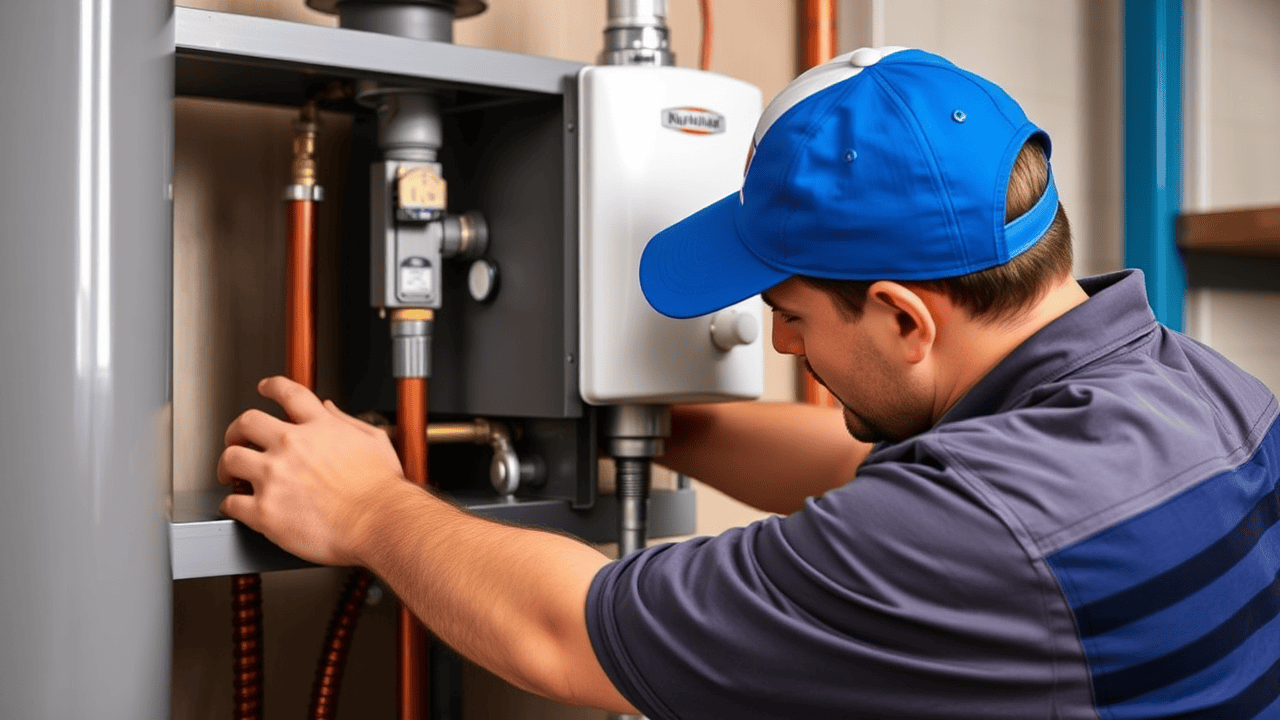
At K B Plumbing, we specialize in expert water heater installation and repair services, ensuring that your home or business has reliable hot water when you need it most. Our skilled technicians are trained to handle all types of water heaters, including traditional tank systems and modern tankless options. We pride ourselves on providing prompt, efficient service tailored to your specific needs, whether you're installing a new system or needing urgent repairs for an existing unit. With K B Plumbing, you can trust that your water heater will be installed safely and serviced with precision, so you can enjoy comfortable hot water year-round without any hassle.
Energy Efficiency in Water Heaters
Energy efficiency plays a vital role in selecting the right water heater for your home. The significance of energy-efficient models cannot be overstated, as they contribute to reduced utility bills while also minimizing environmental impact. Today’s water heaters often come with advanced features and technology designed to optimize energy usage, such as improved insulation and hybrid heating systems. These innovations help prevent heat loss and ensure the appliance operates at peak efficiency.
When evaluating energy efficiency, understanding energy ratings is key. Look for the Energy Factor (EF) or the Uniform Energy Factor (UEF) ratings to gauge the efficiency of various models. A higher rating signifies better energy performance. Additionally, consider factors such as the unit’s size, fuel type, and usage pattern, as these influence overall energy savings. Investing in an energy-efficient water heater can yield significant long-term savings and contribute positively to energy conservation efforts.
Understanding Energy Ratings and Savings
Energy ratings on water heaters provide essential information about their efficiency and potential cost savings. The most common ratings, such as the Energy Factor (EF) and Uniform Energy Factor (UEF), indicate how effectively a water heater converts energy into hot water. A higher energy factor reflects better efficiency, meaning the unit will use less energy to heat water, ultimately leading to lower utility bills.
Understanding these ratings can significantly influence your purchasing decision. Energy-efficient models may have a higher initial cost but can save homeowners money over time through reduced energy consumption. Additionally, many states offer tax incentives or rebates for purchasing high-efficiency appliances, further enhancing the financial benefits of selecting a more efficient water heater.
The Installation Process Explained
Installing a water heater involves several critical steps to ensure safety and efficiency. Begin by selecting an appropriate location that meets local building codes and provides adequate ventilation. Shut off the power supply or gas line to the existing unit before proceeding. Drain the old water heater if replacing it, removing any residual water to avoid spills. With proper tools at hand, disconnect the old unit, then prepare for the new installation by ensuring that all connections and fittings are compatible.
Next, carefully position the new water heater in the chosen location. Connect the water supply lines, ensuring they are securely fastened to prevent leaks. For electric units, wire the unit according to the manufacturer’s instructions, maintaining adherence to local electrical codes. If installing a gas water heater, connect the gas line and test for any leaks. Once everything is in place, restore power or gas to the unit and fill the tank with water. It's vital to check for leaks and ensure the system operates correctly before using the heater.
StepbyStep Guide to Installing a Water Heater
Selecting the right location for your water heater is crucial. Ensure the area is spacious enough for installation and maintenance. Check local building codes for any restrictions on placement. Before installation, gather all necessary tools and materials, including wrenches, pipe fittings, and plumbing tape. Shut off the water supply and power source to the existing unit if you are replacing one. Drain the old water heater completely to prevent any spills during the process.
Once you have prepared the site, start by connecting the water supply lines. Use fittings that match the existing pipes to ensure a secure connection. Mount the temperature and pressure relief valve on the tank according to the manufacturer's instructions. Next, install the venting system for gas-powered units, if applicable, making sure it complies with safety standards. Finally, connect the unit to the power supply, whether it is gas or electric, and fill it with water before turning on the heating element. Check for leaks and ensure everything is functioning correctly.
Troubleshooting Water Heater Problems
Homeowners often encounter issues with their water heaters, leading to inconveniences and discomfort. Common problems include insufficient hot water, leaks, and unusual noises. Identifying the root cause of these issues can save time and money. For example, a lack of hot water may indicate a malfunctioning thermostat or sediment buildup in the tank. Checking these components regularly can prevent more extensive damage.
In some cases, small fixes can resolve larger problems. A leaky water heater may just need a tightened connection, while strange sounds might be due to sediment accumulating at the bottom of the tank. Regular maintenance can help keep the water heater in good working order. Always be cautious when troubleshooting and consider consulting a professional if the problem persists or seems too complex to handle.
Quick Fixes for Common Malfunctions
A common issue homeowners encounter is a lack of hot water. Before calling a professional, check the thermostat settings to ensure it's set correctly. If the temperature is too low, adjust it and wait a few hours. If the water remains cold, inspect the circuit breaker or fuse for the unit. A tripped breaker or blown fuse could interrupt power, leading to insufficient heating.
Another frequent problem is a noisy water heater. Banging or popping sounds often indicate the presence of sediment buildup in the tank. Flushing the tank can alleviate this issue. Turn off the power supply and cold water inlet, then drain the tank to remove sediment. This maintenance step can improve efficiency and extend the lifespan of the heater.
FAQS
What should I consider when choosing a water heater?
When choosing a water heater, consider factors such as the type (tank vs. tankless), energy efficiency, capacity, fuel source (electricity, gas, or solar), and your household's hot water needs.
How can I improve the energy efficiency of my water heater?
You can improve energy efficiency by insulating your water heater and pipes, setting the thermostat to 120°F, regularly flushing the tank to remove sediment, and considering a high-efficiency model with better energy ratings.
What steps are involved in installing a water heater?
The installation process typically involves turning off the water and power supply, draining the old unit, disconnecting plumbing and electrical connections, positioning the new heater, and reconnecting the water and power lines before testing for leaks.
What are some common water heater problems I might encounter?
Common problems include insufficient hot water, strange noises, leaks, discolored water, and fluctuating water temperatures. Each issue may have different causes and solutions.
When should I call a professional for water heater repairs?
You should call a professional if you encounter serious issues such as gas leaks, extensive leaks, electrical problems, or if you're unable to diagnose or resolve the problem on your own. Safety should always be a priority.