The Pipe Repair Process
The pipe repair process typically begins with a thorough inspection to identify the issue at hand. Whether it's a leak, blockage, or another form of damage, professionals use various tools and techniques to locate the problem accurately. Advanced methods like video line inspection can help pinpoint the exact location of leaks without invasive digging. Once the issue is identified, a detailed assessment follows, determining the best course of action for repair or replacement.
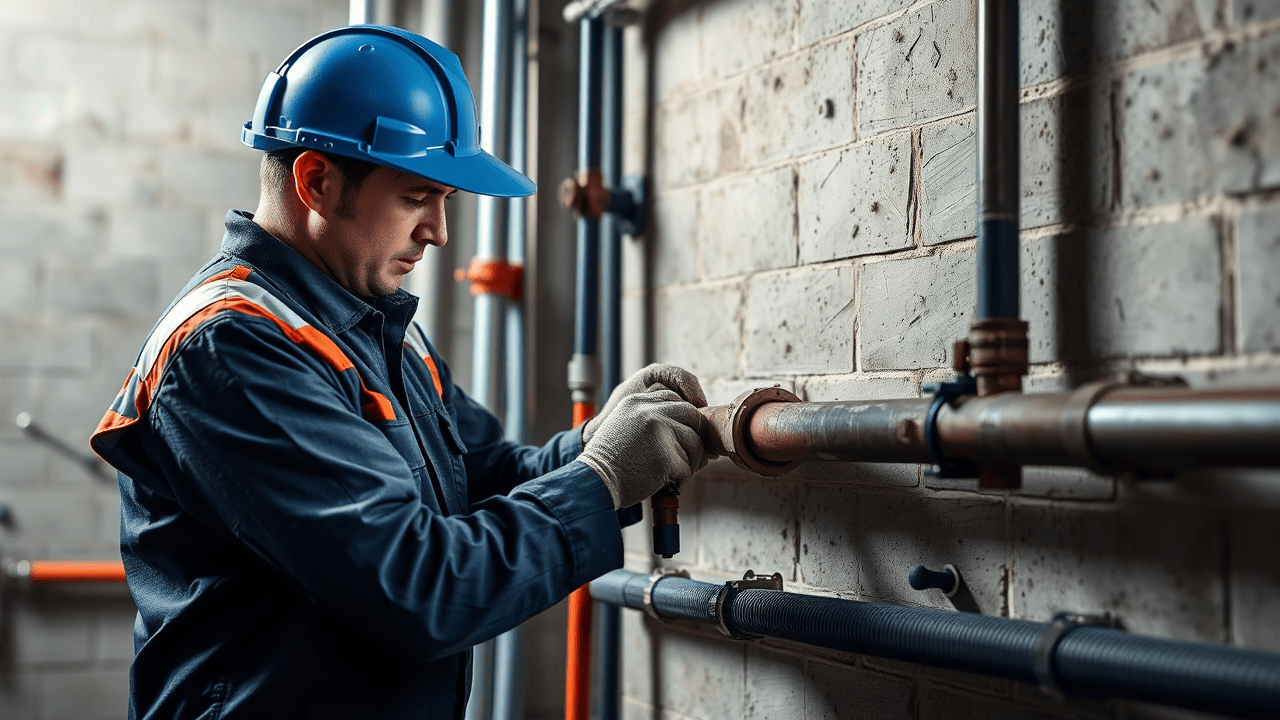
After the assessment, the technician will begin repairing the pipe using appropriate materials and techniques. This could involve patching a leak, replacing sections of damaged pipe, or addressing blockages through methods such as hydro-jetting. Ensuring proper sealing and alignment during repair is crucial for the longevity of the fix. Pipe installation and repair in residential or commercial settings requires skill and knowledge to ensure that the underlying plumbing system functions effectively while adhering to local codes and standards.
Steps Involved in Fixing a Pipe
When tackling the task of fixing a pipe, the first step typically involves diagnosing the issue at hand. This may include inspecting the area for visible signs of damage or using specialized tools to detect leaks that are not immediately apparent. Once the problem has been identified, the next stage is to isolate the section of the pipe that needs attention. This could necessitate turning off the water supply to prevent further damage while work is being performed.
After isolating the damaged area, the actual repair work begins. Depending on the severity of the damage, options such as replacing a small section of pipe, applying a patch, or utilizing epoxy may be used. It’s essential to follow proper techniques to ensure a durable fix. Pipe installation and repair in various settings can vary significantly, influencing the methods and materials selected for the job. Each repair process may require different tools, further emphasizing the need for an experienced professional to execute the work effectively.
Common Pipe Issues
Homeowners frequently encounter a variety of common pipe issues that can disrupt daily life. Leaks are one of the most prevalent problems, where water escapes from joints or cracks. This can lead to water damage, mold growth, and higher utility bills. Blockages also pose significant challenges, often caused by the accumulation of grease, hair, or foreign objects. These clogs can inhibit water flow and may require professional intervention for proper removal.
Another issue often faced is corrosion, which affects older metal pipes and can lead to structural weakness and leaks. In addition, pipe bursts typically occur during extreme temperature changes, particularly in regions where freezing can create pressure within the pipes. Timely pipe installation and repair in homes can help mitigate these risks. Regular inspections and maintenance play a vital role in ensuring the longevity and functionality of plumbing systems.
Identifying Leaks and Blockages
Identifying leaks and blockages is crucial for maintaining the integrity of plumbing systems. Common signs of a leak include unexplained increases in your water bill, damp spots on walls or ceilings, and the sound of running water when faucets are turned off. Blockages can manifest in slow-draining sinks, gurgling pipes, or even water backing up. Timely detection of these issues is essential to prevent more extensive damage to the plumbing infrastructure.
Professionals who specialize in pipe installation and repair in various settings often utilize advanced tools and techniques to locate these problems effectively. Methods such as video inspection allow for a non-invasive look inside pipes, identifying the exact location and cause of a blockage or leak. Regular maintenance can also help homeowners catch potential issues early, reducing the need for costly repairs in the future.
Cost of Pipe Fitting and Repair
When considering the cost of pipe fitting and repair, various factors influence pricing. Materials play a significant role; different types of pipes, such as PVC, copper, or galvanized steel, each come with their own price points. Labor costs are also a crucial consideration, as skilled technicians typically charge varying rates depending on their experience and the complexity of the job. In addition, location can affect pricing; urban areas might have higher costs due to demand and living expenses.
Pipe installation and repair in residential settings often differs from commercial projects. Residential repairs tend to be more straightforward, potentially leading to lower overall costs. Conversely, commercial pipe work frequently involves larger systems and specialized equipment, which can drive up expenses. Other influences on costs include the urgency of the repair, accessibility of the pipes, and any additional services required, such as excavation or preventive maintenance.
Factors Affecting Pricing
Pricing for pipe fitting and repair can vary significantly based on several factors. The complexity of the job often plays a major role; more intricate repairs or installations necessitate skilled labor, which can raise costs. Additionally, the materials required for the repair will impact pricing. Higher-quality materials tend to be more expensive but may offer better durability and longevity.
Geographical location is another key consideration when it comes to costs. Pipe installation and repair in urban areas often come with a premium due to higher labor rates and increased demand for services. Seasonal factors can also influence pricing, as certain times of the year may see a surge in repair requests, leading to elevated charges. Understanding these variables can help homeowners make informed decisions when seeking repairs.
FAQS
Who is responsible for fitting and repairing pipes?
Plumbers are the professionals who fit and repair pipes. They are trained to handle various plumbing issues, including installation and maintenance of piping systems.
What are the common signs that a pipe needs repair?
Common signs include water leaks, unusual noises coming from the pipes, decreased water pressure, and visible water damage on walls or ceilings.
How can I identify a leak in my pipes?
You can identify a leak by checking for water stains on walls or floors, listening for dripping sounds, or monitoring your water bill for unexplained increases in usage.
What factors affect the cost of pipe fitting and repair?
Factors include the type and extent of the damage, the materials needed for the repair, labor costs, and the location and accessibility of the pipes.
Is it necessary to hire a professional for pipe repairs?
While some minor repairs can be done by homeowners, it is generally advisable to hire a professional plumber for more complex issues to ensure proper handling and prevent further damage.