DIY vs. Professional Pipe Maintenance
Many homeowners consider tackling pipe maintenance tasks on their own to save on costs. DIY pipe maintenance can include routine tasks such as cleaning drain pipes or checking for leaks. Basic tools and materials are often all that is required for these activities. However, this approach may lead to oversights or improper techniques, which can exacerbate existing issues. While it might seem cost-effective at first, lack of experience can make simple problems escalate into more serious repairs.
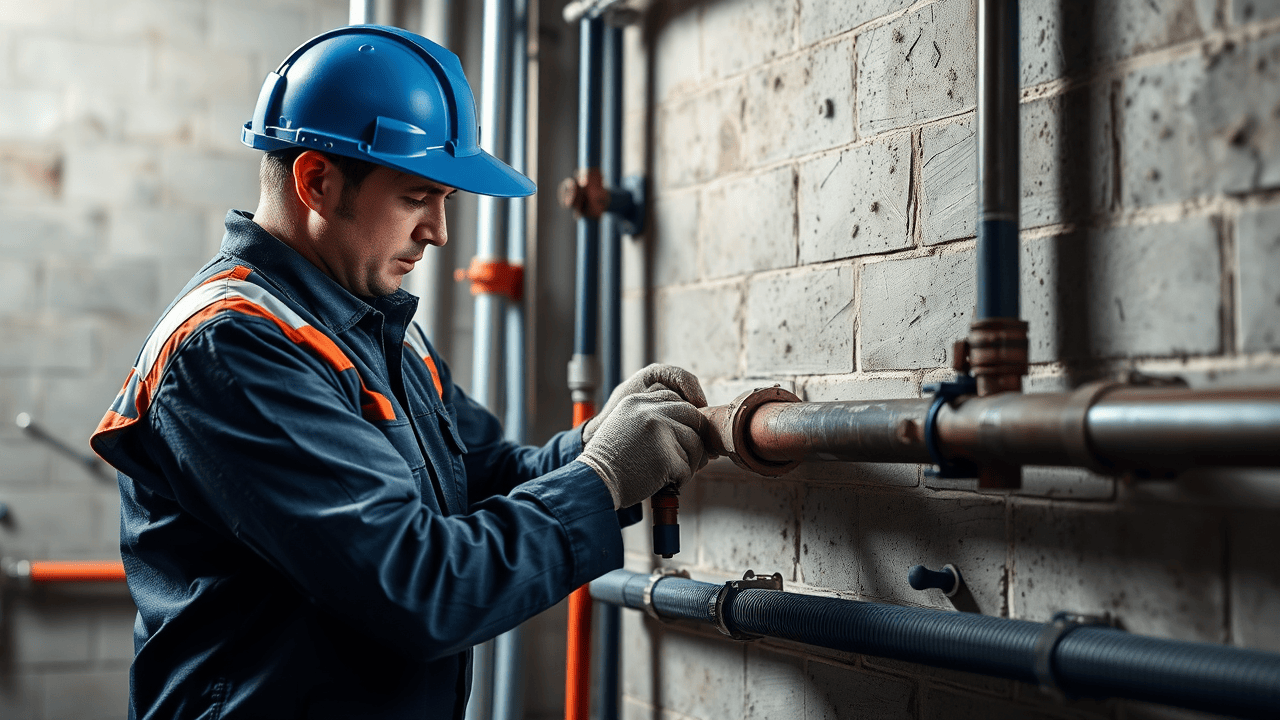
In contrast, professional pipe maintenance provides access to expertise and specialized equipment. Professionals are trained in pipe installation and repair, which increases the likelihood of effective solutions. Their insight allows them to identify underlying problems that an untrained eye might miss. While hiring a professional typically involves higher upfront costs, the investment often pays off through more durable repairs and the prevention of future complications. This approach ensures that any maintenance performed will comply with local regulations and standards, providing peace of mind to homeowners.
Cost Comparisons and Considerations
When deciding between DIY and professional pipe maintenance, it’s essential to weigh the costs and long-term implications. DIY methods may initially seem more economical, but they often require significant time and effort. Additionally, lack of expertise can lead to mistakes, resulting in more expensive pipe installation and repair needs down the line. On the other hand, hiring professionals may involve a higher upfront cost but typically ensures a thorough job done right the first time.
Consider the specific needs of your plumbing system when comparing costs. Some tasks may be straightforward and suited for DIY efforts, while others require specialized tools and knowledge best handled by professionals. Moreover, annual maintenance plans offered by plumbing services often cover inspections and minor repairs, potentially saving money in the long run. Thus, while DIY can be tempting for minor issues, investing in professional pipe installation and repair might prove more cost-effective when considering overall system health.
The Importance of Regular Maintenance
Regular pipe maintenance plays a crucial role in ensuring the longevity and efficiency of your plumbing system. Investing time and resources into upkeep can prevent minor issues from escalating into major problems, which could lead to significant repair costs. By regularly inspecting and maintaining pipes, homeowners can avoid unexpected disruptions and the inconvenience associated with plumbing failures. This proactive approach helps in optimizing the functionality of your pipes, ultimately saving you money in the long run.
The importance of scheduled maintenance cannot be overstated, particularly when considering the costs associated with pipe installation and repair. Frequent checks and necessary adjustments can identify potential weaknesses before they develop into serious leaks or bursts. Additionally, maintaining your plumbing system contributes to improved water quality and helps avoid waste. Keeping your system in top condition is more than just a good practice; it is a sound financial strategy that enhances the value and reliability of your home.
Longterm Cost Savings
Investing in regular pipe maintenance can yield significant long-term cost savings for homeowners and businesses alike. Addressing minor issues early prevents them from escalating into major repairs, which often involve extensive labor and materials. For example, a small leak, if left unattended, can result in serious water damage, mold growth, and costly restoration processes. By committing to routine inspections, property owners can identify potential problems and rectify them before they become financially burdensome.
Beyond the immediate benefits, regular maintenance tends to extend the lifespan of plumbing systems, enhancing the efficiency of water flow and reducing utility bills. Quality pipe installation and repair efforts ensure that systems function optimally, minimizing the risk of unexpected failures. As a result, the cumulative savings from both reduced repair costs and lower utility expenses typically outweigh the initial investment in preventative maintenance.
Emergency Pipe Maintenance Costs
Emergency pipe maintenance can often come with a higher price tag compared to routine services. This is due to the immediacy required in addressing urgent issues, such as burst pipes or severe leaks. Businesses and homeowners may find themselves paying extra for after-hours services or surge pricing, particularly if the situation demands specialized equipment or urgent response times. Additionally, the extent of damage typically dictates the overall cost, as repairs can range from minor fixes to complete system overhauls.
When faced with an emergency, understanding the costs associated with pipe installation and repair is crucial. Homeowners should be prepared for potential expenses related to both the immediate repair and any necessary follow-up maintenance. It’s advisable to seek detailed estimates from professionals, even in emergencies, to have a clearer picture of what the total financial impact will be. Keeping emergency contacts ready can also lead to faster resolutions and may help mitigate some of the costs involved.
What to Expect During a Crisis
During a plumbing emergency, quick action is essential. Homeowners can expect to spend more on immediate services compared to routine maintenance. Emergency plumbers often charge higher rates due to the urgent nature of the work. Additionally, responsiveness is crucial; you’ll need to find a reliable professional who specializes in pipe installation and repair, as not all plumbing services offer 24/7 support.
The situation can escalate quickly, leading to unforeseen expenses such as water damage or necessary repairs to surrounding structures. It's important to be prepared for a range of costs associated with emergency pipe maintenance. Depending on the severity of the issue, expenses can include labor, materials, and potential follow-up services. Understanding these potential costs can help homeowners make informed decisions when faced with a crisis.
FAQS
What factors influence the cost of pipe maintenance?
The cost of pipe maintenance can be influenced by several factors, including the type of piping material, the complexity of the plumbing system, the extent of the maintenance required, and whether you choose DIY methods or hire a professional.
How often should I perform pipe maintenance?
It is generally recommended to perform regular pipe maintenance at least once a year. However, frequency may vary based on the age of your plumbing, local water quality, and specific household needs.
What are the typical costs associated with professional pipe maintenance?
Professional pipe maintenance costs can range from $100 to $500 or more, depending on the services provided, the plumber's rates, and geographic location.
Are there any DIY methods for pipe maintenance that can save me money?
Yes, there are several DIY methods for pipe maintenance, such as regular inspections, using drain cleaners, and ensuring proper insulation. These can help prevent larger issues and save money in the long run.
How can regular maintenance lead to long-term cost savings?
Regular maintenance can identify and address minor issues before they escalate into major problems, ultimately saving you money on repairs and reducing the risk of costly emergencies.