When to Call a Professional
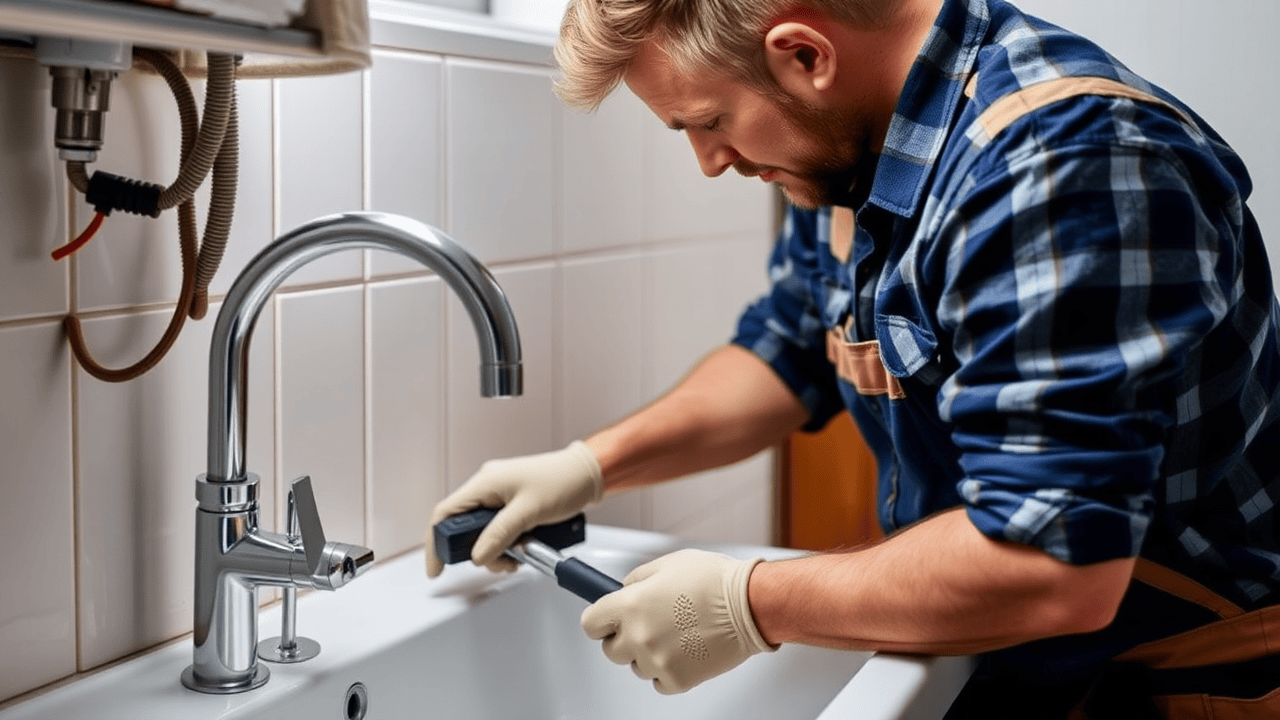
Certain situations demand the expertise of a professional plumber. If you encounter issues with the existing plumbing, such as leaks or corroded pipes, it’s best to call in an expert. Sink installation and repair can often involve dealing with complicated systems that, if mishandled, might lead to further damage or costly repairs down the line. Additionally, if the sink you’re installing requires modifications to cabinetry or plumbing lines, professional help ensures the work meets industry standards and local regulations.
Homeowners lacking experience in plumbing may struggle with aspects like selecting the right tools or understanding plumbing intricacies. Even seemingly straightforward tasks can quickly escalate into complex challenges. If the project involves moving the sink location or integrating with a garbage disposal or other appliances, professional assistance is recommended. Sink installation and repair demand a solid understanding of plumbing principles to avoid future problems.
Common Issues That Require Expert Help
There are several scenarios where professional assistance becomes crucial for sink installation and repair. If you encounter persistent leaks, that could indicate underlying plumbing issues requiring expert diagnosis. Additionally, any gas lines connected to a sink, such as in the case of certain models with built-in gas burners, pose safety concerns. Handling gas lines without proper training can lead to hazardous situations, making skilled help essential.
Another common issue is dealing with unexpected changes to the plumbing layout. If your new sink requires rerouting pipes or adjusting existing fixtures, the complexity increases significantly. Miscalculations can lead to further problems down the line, including low water pressure or improper drainage. In such situations, the expertise of a plumber becomes invaluable to ensure that the installation is both safe and functional.
Cost Considerations for Sink Installation
When planning for sink installation and repair, it's important to evaluate the associated costs carefully. Prices can vary significantly based on the type of sink, materials, and complexity of the installation. Basic models may be relatively affordable, while high-end options can demand a much higher investment. Additionally, any necessary plumbing modifications, such as rerouting pipes or adjusting water lines, can further influence the final price. Understanding these elements can help homeowners budget effectively for their project.
Another cost factor to consider is whether to hire a professional or attempt a DIY approach. While tackling installation on your own may seem economical, it's crucial to weigh potential risks. A mistake in sink installation and repair might lead to further damages and costly repairs down the line. Hiring an expert often ensures that the job is done right the first time, potentially saving money in the long run. Balancing initial costs against potential future expenses is essential in making an informed decision.
Comparing DIY vs. Professional Services
Many homeowners debate whether to tackle sink installation and repair themselves or to hire a professional. DIY enthusiasts may find satisfaction in handling the project independently. This approach can save money on labor costs and provide valuable hands-on experience. However, this option requires a certain level of skill and knowledge, along with the proper tools to ensure a successful installation.
On the other hand, professional services offer expertise and peace of mind. Licensed plumbers have the necessary training to manage complexities that may arise during sink installation and repair. Their experience can help avoid common pitfalls, ensuring that the installation meets all safety standards and local building codes. Although hiring a plumber might incur higher upfront costs, their efficiency often saves time and prevents costly mistakes down the line.
Permits and Regulations
Understanding local building codes is essential before embarking on sink installation and repair. Many jurisdictions require homeowners to obtain permits for plumbing work, especially if it involves alterations to existing plumbing systems. Failing to secure the necessary permits can result in fines, delayed work, or even the need to redo completed tasks to meet code requirements.
In some instances, certain types of sink installations may also be subject to specific regulations, particularly in multi-family dwellings or commercial properties. It is crucial to consult local regulations to ensure compliance. This careful attention to detail promotes safety and can prevent costly complications in both the installation and long-term maintenance of your sink.
Understanding Local Building Codes
Local building codes dictate specific standards for plumbing installations, including sink installation and repair. These codes ensure safety, functionality, and compliance with health regulations. They may vary by municipality, which means it’s essential to familiarize yourself with your area's requirements. Often, necessary permits are required before undertaking any plumbing work. Ignoring these regulations can lead to fines or complications when selling a home.
Understanding local building codes is crucial for anyone considering sink installation and repair. Compliance with these codes not only guarantees proper installation but also protects your investment. Failure to adhere to these rules can result in costly adjustments or removal of non-compliant work. It is often advisable to consult with a professional who is familiar with local regulations to ensure a smooth installation process.
FAQS
Can I install a new sink myself?
Yes, you can install a new sink yourself if you have the right tools and experience. However, if you encounter any complex plumbing issues, it may be best to consult a professional.
What are some common issues that would require a plumber during sink installation?
Common issues include dealing with old plumbing that needs repairs, improper drainage, or ensuring the sink is connected to the water supply and disposal systems correctly.
How much does it typically cost to hire a plumber for sink installation?
The cost to hire a plumber can vary widely based on location and the complexity of the installation, but it typically ranges from $100 to $300 or more.
Do I need a permit to install a new sink?
It depends on your local building codes and regulations. Some areas require permits for plumbing work, while others do not. It's best to check with your local authorities.
What are the advantages of hiring a professional plumber over doing it myself?
Hiring a professional plumber ensures that the installation is done correctly and safely, reduces the risk of future plumbing issues, and may be required to meet local codes, which can save you time and potential headaches in the long run.