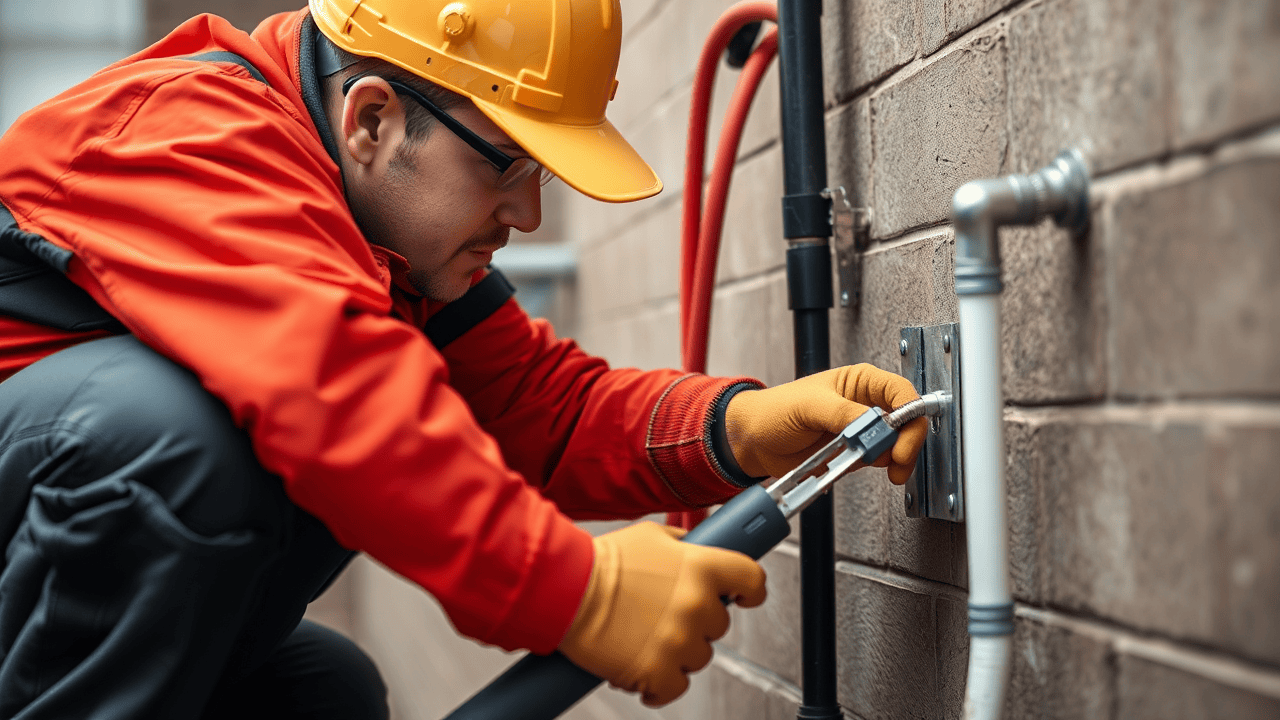
Impact of Leak Severity on Costs
The severity of a leak plays a critical role in determining the overall cost of detection and subsequent repairs. Minor leaks, often involving small cracks or pinholes, typically require less extensive investigation and can be addressed with minimal disruption. However, major structural issues can lead to higher costs due to the need for more sophisticated detection methods. In situations where the leak is hidden behind walls or underground, specialized equipment may be necessary, driving up the expenses further.
In Oregon, the landscape and climate can influence the severity and frequency of leaks, affecting both detection and repair costs. Homeowners may face unexpected financial burdens if a leak turns out to be more severe than initially thought, leading to extensive damage and the need for comprehensive repairs after leak detection. Leak detection and repair in Oregon can vary widely based on these factors, making it essential for homeowners to be aware of the potential impacts related to the severity of the leak they are dealing with.
Minor Leaks vs. Major Structural Issues
Minor leaks often involve less invasive detection methods and simpler repairs. These can include small pipe drips or tiny cracks in the foundation. Homeowners can typically resolve these issues with minimal disruption to their property and lower overall costs. In many cases, leak detection services in Oregon are designed to address these minor problems efficiently and effectively.
In contrast, major structural issues generally require extensive investigation and repair efforts. Large leaks can lead to significant damage within walls, floors, or underground plumbing systems. The complexity of these situations often results in higher costs for both detection and repair. Leak detection and repair in Oregon may involve specialized equipment and techniques, increasing the overall expenses associated with restoring the property.
Additional Costs to Consider
When considering the overall costs associated with leak detection, it’s important to account for potential additional expenses beyond the initial service fee. For instance, the location of the leak can significantly influence the final price. If the leak is hidden behind walls or under floors, it may require more invasive techniques to access, leading to higher labor costs. Additionally, property owners might face costs related to property damage caused by the leak, such as water damage to flooring or walls that needs repairs.
In Oregon, specific factors can further affect the financial landscape of leak detection and repair. Local regulations regarding environmental safety and water usage can necessitate compliance checks, which may add to the expense. Homeowners should also consider potential fees for follow-up inspections or tests to ensure that repairs were successful. Leak detection and repair in Oregon can be a multifaceted process, making it critical to budget effectively for both detection services and any subsequent repair work.
Repair Expenses After Detection
After a leak has been detected, the next step involves repairing the issue, which can vary significantly in cost depending on its severity. Minor leaks may require straightforward repairs, such as patching small holes or tightening joints. However, if the leak has led to more extensive damage, such as mold growth or structural issues, the repairs can become much more complicated and costly. Leak detection and repair in Oregon presents additional challenges due to potential environmental considerations and regulations that may impact the overall price.
Homeowners should also be aware that repair expenses can encompass more than just fixing the leak itself. Restoration work, such as replacing damaged drywall, flooring, or insulation, can add to the financial burden. In some cases, specialized contractors may need to be hired for specific tasks, further increasing the total expenditure. It's essential to budget not only for the immediate repairs but also for any long-term fixes that may arise as a result of the leak.
Insurance Coverage for Leak Detection
Insurance coverage for leak detection can vary significantly based on specific policy terms and the type of damage caused by the leak. Homeowners should review their insurance policies carefully to determine whether leak detection services are included as part of their coverage. Some policies may cover the costs associated with locating the leak, while others might only cover repairs to damage caused by the leak itself. Understanding the distinctions in coverage options can aid homeowners in making informed decisions.
For residents seeking services, options such as leak detection and repair in Oregon should be considered with an eye on insurance implications. Many providers know the nuances of different insurance policies and can guide homeowners in filing claims for leak detection costs. Having clarity on what is covered can help mitigate unexpected financial burdens, ultimately contributing to a more streamlined repair process.
Understanding Policy Inclusions
Insurance coverage for leak detection can vary significantly depending on the specifics of a homeowner's policy. Many standard home insurance policies may cover sudden and accidental leaks, while others might exclude routine maintenance or wear and tear issues. It's important for homeowners to closely examine their policy documents to understand what exactly is included. Some insurers may only provide partial coverage for the costs associated with leak detection, leaving homeowners responsible for expenses related to repairs or damages.
When it comes to leak detection and repair in Oregon, the local regulations and requirements could also influence coverage. Homeowners should consider consulting with their insurance agent to clarify whether their policy covers both the detection process and subsequent repairs. Understanding the full scope of what is included can help in planning for potential expenses and ensuring that necessary coverage is in place before any issues arise.
FAQS
What factors influence the cost of leak detection?
The cost of leak detection can vary based on several factors, including the severity of the leak, the location, the method used for detection, and the accessibility of plumbing systems.
How can I tell if I have a minor leak or a major structural issue?
Minor leaks often manifest as small water stains or dampness, while major structural issues may involve significant water damage, mold growth, or visible deterioration in walls and ceilings. It's best to consult a professional for a thorough assessment.
Are there additional costs I should be aware of after leak detection?
Yes, after leak detection, you may incur additional costs for repairs, restoration of damaged areas, and potential remediation if mold or structural damage is present.
Will my homeowner's insurance cover leak detection services?
Coverage for leak detection services varies by policy. Some homeowner's insurance may cover the cost of leak detection if it leads to a covered loss, while others may not. It's essential to review your policy or consult with your insurance agent.
What should I do if I suspect a leak in my home?
If you suspect a leak, you should contact a professional leak detection service as soon as possible. Early detection can prevent further damage and may save you money on repairs in the long run.