Hiring Professional Installers vs. DIY
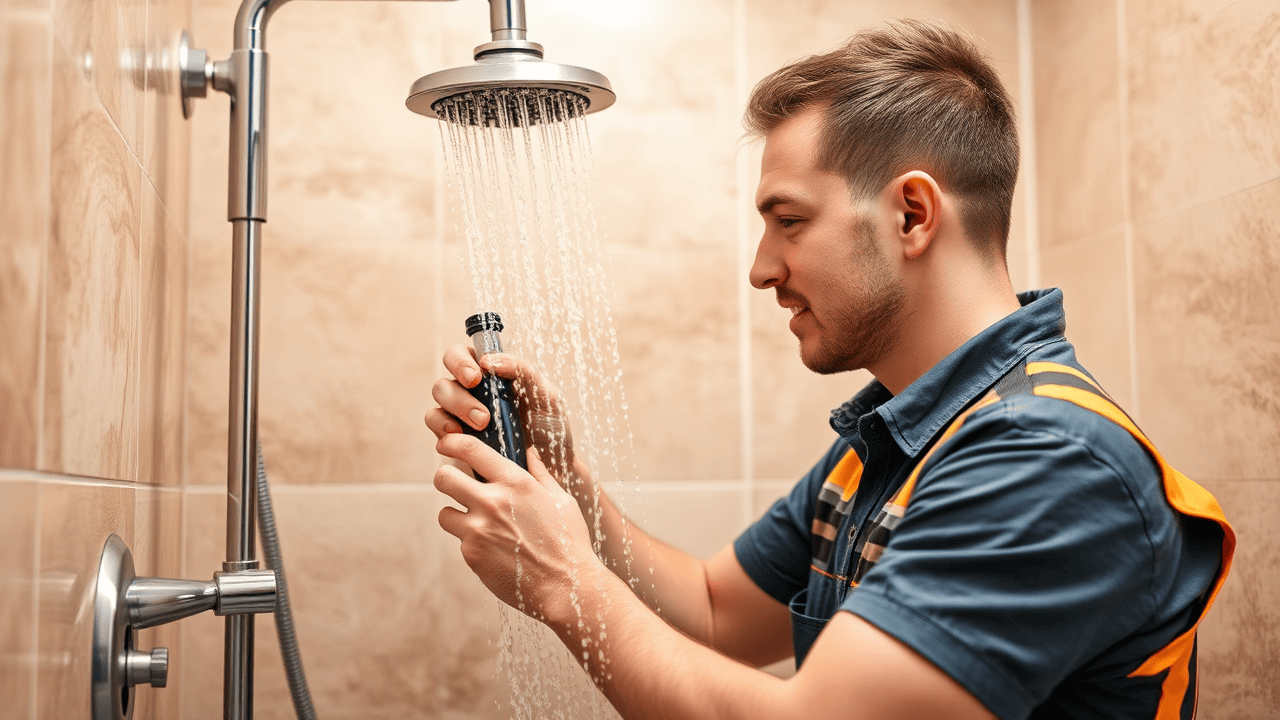
When considering shower installation, one of the key decisions homeowners face is whether to hire professional installers or take a DIY approach. Professional installers bring expertise and experience, ensuring that the job is done efficiently and to code. For those who lack plumbing or tiling skills, hiring a professional can save time and prevent costly mistakes. Shower installation and repair in Oregon can vary widely depending on the complexity of the project and local regulations, making the experience of a professional even more valuable.
On the other hand, opting for a DIY installation can be a rewarding choice for those with the necessary skills and tools. This approach can lead to significant cost savings, as labor is often one of the largest expenses in bathroom renovations. However, it requires a thorough understanding of the installation process and familiarity with local building codes to avoid issues down the road. For homeowners considering this route, careful planning and research on the specific requirements for shower installation in their area are essential.
Pros and Cons of Each Approach
Hiring professional installers can offer several advantages. They bring specialized skills and experience to ensure that the shower is installed correctly and safely. This expertise often results in a polished finish and may prevent costly mistakes that an inexperienced do-it-yourselfer might make. Additionally, some installers provide warranties, giving homeowners peace of mind for future repairs or issues. For those interested in shower installation and repair in Oregon, local professionals may also be familiar with state-specific building codes, further ensuring compliance.
On the other hand, opting for a DIY approach can lead to significant cost savings. Homeowners can avoid labor fees and have the flexibility to work at their own pace. This route also allows for greater creativity and personalization in the design and installation process. However, it requires a solid understanding of plumbing, tiling, and other installation techniques, which may not be feasible for everyone. Mistakes made during installation can lead to additional expenses and project delays, making it essential to weigh both the potential savings and risks involved.
Additional Costs to Consider
When budgeting for a shower installation, it’s essential to account for additional expenses beyond labor and materials. Shower installation and repair in Oregon may involve specific local permit requirements, which can add to the overall costs. Homeowners might need to pay for inspections to ensure compliance with state and local building codes. Failure to obtain the proper permits can lead to fines and additional complications, making this an important aspect to factor into the budget.
Another consideration is the potential need for plumbing or electrical work. If existing systems are outdated or incompatible with the new shower design, extra labor may be necessary to make necessary upgrades. This can significantly influence the total cost of the project. Homeowners should also consider the possibility of unforeseen issues that arise during installation, such as mold or structural damage, which can lead to additional expenses and delays.
Permits and Inspection Fees
When undertaking a shower installation project, it's important to consider potential permits and inspection fees. Depending on local regulations, homeowners may need to obtain permits that ensure compliance with building codes and safety standards. These costs can vary significantly based on the location and complexity of the installation, so it’s advisable to research the specific requirements in your area.
For those looking into shower installation and repair in Oregon, the state may have particular guidelines that must be followed. Beyond the initial permit, inspection fees might also apply, necessitating a professional inspection to verify that the work meets the established standards. This additional layer of oversight helps ensure the safety and longevity of the installation.
Shower Types and Their Impact on Labor Costs
Different types of showers can significantly impact labor costs during installation. Standard showers, such as prefabricated units, are generally quicker and easier to install, requiring less time and labor. On the other hand, custom-built showers often involve complex designs and materials, which can extend the installation time and increase labor costs. When considering shower types, homeowners should factor in the specifics of their project and any additional features they might desire.
The geographical location can also influence costs, as seen with shower installation and repair in Oregon. Local labor rates and the availability of skilled professionals can affect the overall expense. Additionally, the complexity of the chosen shower type may require more specialized labor, which can further increase costs. Understanding these factors is essential when budgeting for a shower installation project, ensuring a clearer picture of the potential financial commitment.
Comparing Standard Showers to Custom Builds
Standard showers offer a more predictable approach to installation, often resulting in lower labor costs compared to custom builds. These models typically come in pre-fabricated kits designed for easy installation. Most professional installers are familiar with standard product dimensions, which can speed up the process. When opting for this route, homeowners can expect a more straightforward estimate for labor costs as variations in design and materials are minimal.
In contrast, custom showers require more detailed measurements and specialized skills, significantly affecting labor costs. Custom builds often involve unique designs, different materials, and additional plumbing adjustments. This complexity not only increases the time needed for installation but may also necessitate more consultations with professionals. Homeowners in Oregon considering custom options should account for increased expenses related to labor and potential permits. Shower installation and repair in Oregon can vary widely based on the uniqueness of the project, making accurate planning essential.
FAQS
What is the average labor cost for shower installation?
The average labor cost for installing a shower typically ranges from $500 to $1,500, depending on factors such as the complexity of the installation and the region.
Are there significant differences in labor costs between DIY and hiring a professional?
Yes, hiring a professional can incur higher labor costs due to their expertise and experience, while a DIY approach may save on labor costs but could lead to additional expenses if mistakes are made.
What additional costs should I consider when installing a shower?
Additional costs may include permits and inspection fees, materials for the shower and plumbing, and potential costs for upgrading fixtures or surrounding tiles.
Do different types of showers affect the labor cost?
Yes, different types of showers, such as standard showers versus custom builds, can significantly impact labor costs due to the complexity and time required for installation.
Is it necessary to obtain permits for shower installation?
In most cases, yes, permits and inspections are required for shower installations to ensure compliance with local building codes and regulations.