Identifying the Source of the Leak
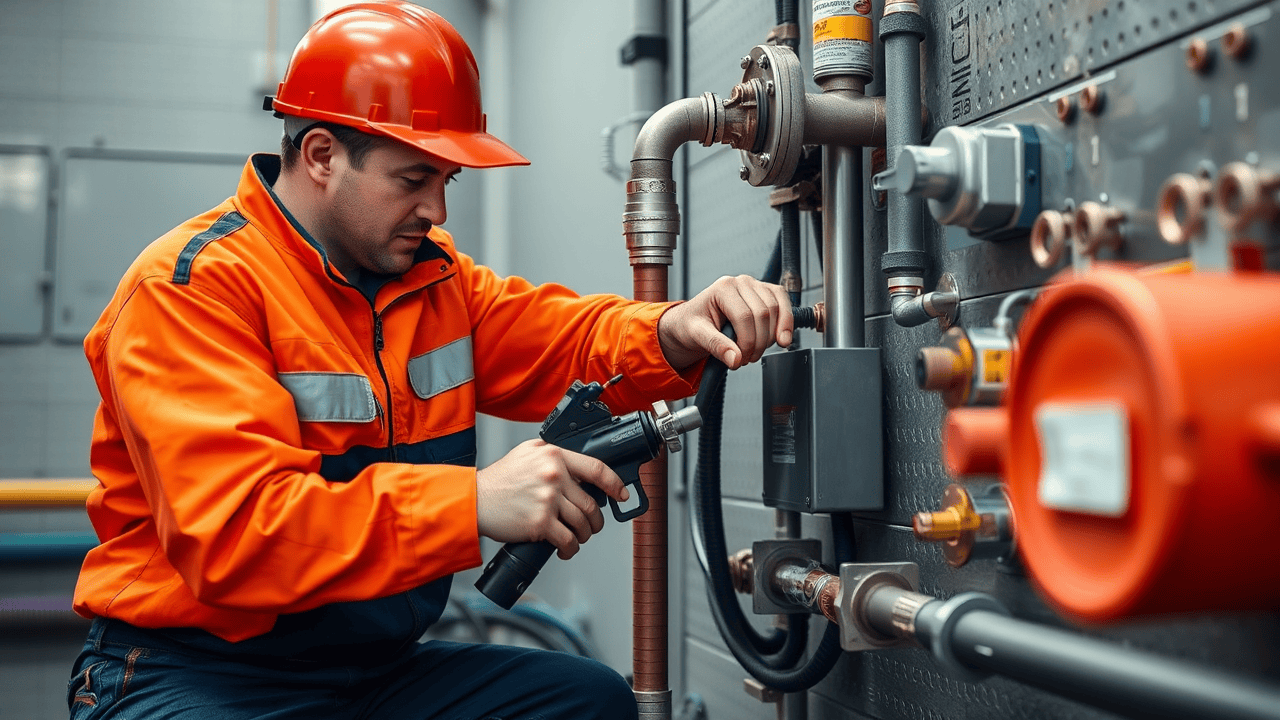
Identifying the source of a gas leak is crucial for ensuring safety and preventing potential disasters. Homeowners often notice a sulfur-like odor, which is an indicator of a leak. It’s essential to take immediate action if this smell is detected. Listening for any hissing sounds near gas lines can also help pinpoint the issue. Additionally, visual inspections for cracked or damaged piping may reveal the breach.
For those engaging in gas line installation and repair in Oregon, it’s imperative to follow specific guidelines to ensure proper identification and management of leaks. Utilizing specialized tools, like gas leak detectors, can make the process more efficient. A thorough examination of all fittings, valves, and joints is necessary, as these are common areas where leaks might occur. This diligent approach not only promotes safety but also helps in mitigating any potential hazards associated with gas leaks.
Techniques for Locating Gas Leaks
Detecting a gas leak requires a combination of careful observation and specialized techniques. One common method involves using a soapy water solution. When applied to suspected areas, bubbles will form at the leak site, indicating the presence of gas. This technique is effective for small leaks and enhances safety, allowing homeowners to locate leaks before they escalate. Additionally, gas detection devices are available for purchase. These handheld units can identify gas concentrations in the air, offering a more precise measurement than the soapy water method.
Professional assistance is often recommended when locating gas leaks, especially for larger installations. Experts use advanced equipment such as infrared cameras and electronic gas leak detectors. These tools can identify gas emissions even in small amounts, ensuring a thorough inspection. For those engaged in gas line installation and repair in Oregon, understanding these techniques is crucial. Proper leak detection techniques not only safeguard lives but also comply with safety regulations and protocols in the area.
Repairing a Broken Gas Line
When addressing a broken gas line, it is crucial to take immediate action to ensure safety. First, evacuate the area and contact local authorities or gas service providers. These professionals have the expertise needed to manage hazardous situations, which can prevent potential disasters. It is important to avoid any attempts at fixing the line without proper training and equipment. Gas line installation and repair in Oregon often requires licensed professionals who can work within state regulations and safety standards.
Once the situation is deemed safe and professionals are on-site, they will typically begin the repair process by assessing the extent of the damage. This assessment may involve inspecting the affected area and using specialized tools to pinpoint the leak. After the source of the issue is located, they can proceed with the necessary repairs, which may include replacing damaged sections of pipe or applying sealants. It’s essential that all repairs meet local codes to ensure the integrity and safety of the gas line.
StepbyStep Repair Process
When repairing a broken gas line, the first step involves ensuring safety. Turn off the main gas supply to prevent any accidents during the repair process. Remove any relevant obstructions to access the damaged area effectively. Inspect the line thoroughly to determine the extent of the damage. It may be necessary to excavate the surrounding soil carefully if the pipe is buried, ensuring minimal disruption to the landscape.
Once the damaged section is identified, cut out the broken part of the gas line using appropriate tools. Install a new section of pipe that matches the existing line specifications. Be sure to secure all joints with suitable fittings and apply sealant where necessary. Finally, conduct a pressure test on the new installation to verify that there are no leaks before turning the gas supply back on. Gas line installation and repair in Oregon must adhere to specific codes and guidelines, emphasizing the importance of following local regulations throughout the process.
Understanding Local Regulations
Understanding local regulations is essential when dealing with gas line issues. Each state has its own set of rules that govern gas-related work. In Oregon, these regulations ensure that safety standards are met to protect both homeowners and service technicians. It is crucial for property owners to familiarize themselves with the specific requirements in their area before undertaking any repair or installation.
Permits are often required for gas line installation and repair in Oregon. These permits help ensure that the work is performed by licensed professionals who adhere to safety codes. Failure to obtain the necessary permits can result in fines or rework, jeopardizing the safety of the gas system. Consulting local authorities and understanding the regulations can prevent legal complications and ensure the repair process is completed smoothly.
Permits and Codes for Gas Line Repairs
Before undertaking any gas line repairs, it is crucial to understand the local regulations that govern such work. Most municipalities require permits for gas line repairs to ensure safety and compliance with established building codes. Permit applications typically need to outline the scope of the work being done, the materials to be used, and the qualifications of the individuals performing the repairs. Inspectors may conduct follow-up checks to ensure the completed work adheres to code standards.
Gas line installation and repair in Oregon involves specific regulations which vary by county and city. Homeowners and contractors need to familiarize themselves with the requirements set forth by the Oregon State Plumbing Board and local authorities. This may include obtaining necessary permits, scheduling inspections, and following codes related to gas line materials and installation practices. Adhering to these regulations ensures not only a safe repair process but also proper function and longevity of the gas line system.
FAQS
Can I fix a broken gas line myself?
While some minor repairs may be possible for a trained professional, it is generally not advisable for homeowners to attempt fixing a broken gas line themselves due to the risks involved. Always consult a licensed technician.
How can I identify if there is a gas leak?
Signs of a gas leak include a distinct sulfur-like smell, hissing sounds near gas lines, and dead or wilting plants around the gas line area. If you suspect a leak, leave the area immediately and contact a professional.
What should I do if I suspect a gas leak?
If you suspect a gas leak, evacuate the area immediately, avoid using any electrical devices, and call your gas provider or emergency services from a safe distance.
Are there regulations for repairing gas lines?
Yes, most areas have specific regulations, permits, and building codes that must be followed when repairing gas lines. It is essential to check with your local authorities before proceeding with any repairs.
How much does it cost to repair a broken gas line?
The cost to repair a broken gas line can vary widely based on the severity of the damage, labor costs, and local regulations. It's best to get estimates from licensed professionals for an accurate assessment.